

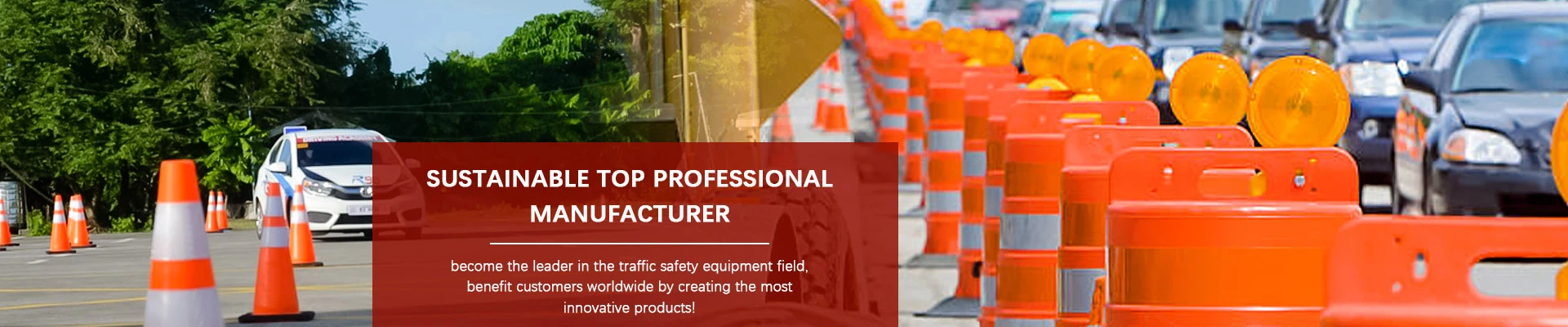

Road safety barriers are fundamental to maintaining traffic order and ensuring safe travel. These barriers provide crucial protection for drivers, pedestrians, or road construction workers. Available in various forms, these barriers are typically placed at critical points to manage traffic, signal potential hazards, and protect construction areas.
Typical road safety facilities include traffic cones, warning signs, and physical barriers. Their primary functions are to direct traffic flow, alert drivers to potential dangers ahead, and enhance visibility at night through reflective materials to ensure safe driving conditions. These barriers, especially during road construction, surface damage, or wet weather, effectively guide drivers to avoid accidents.
These safety measures not only direct traffic but also block off hazardous areas such as construction sites, waterlogged sections, or other temporarily closed roads, significantly reducing the risk of traffic accidents. Understanding the principles and types of road safety barriers can help us better adhere to traffic guidelines and enhance overall road safety.
In this blog, we will explore the importance of road safety barriers, various types of barriers, and their critical roles in daily traffic management. By understanding the functions and purposes of these facilities, drivers and pedestrians can better navigate different road conditions and contribute to a safer travel environment.

Traffic barriers come in diverse designs to address specific safety needs. Common types include traffic cones, delineator posts, and barriers, as well as advanced devices like retractable barriers, warning tapes, and safety floor markers. Each type of barrier has unique functions, whether guiding vehicles, marking construction zones, or alerting drivers to potential hazards. Traffic barriers play a vital role in maintaining road safety.
Traffic barriers can be classified based on their purpose and design. Temporary barriers, such as traffic cones and warning tapes, are often used for short-term construction, event management, or emergency traffic control. In contrast, permanent barriers like concrete barriers and delineator posts are employed on highways and main roads that require long-term protection, providing sustained safety assurance.
Choosing the appropriate type of traffic barrier depends on the specific application environment and safety requirements. For construction and traffic management professionals, understanding the characteristics and uses of each barrier type is crucial for making optimal choices and ensuring maximum road safety.
Safety barriers play a crucial role in maintaining road order and enhancing traffic safety. They effectively manage traffic flow and provide essential protection for construction zones and hazardous areas. Barriers like delineator posts and traffic cones guide vehicles along designated paths, prevent unauthorized access to restricted areas, and ensure orderly and safe passage through construction zones or potential danger areas.
Reflective barriers, warning tapes, and safety floor markers serve as visual cues, alerting drivers and pedestrians to upcoming roadwork, obstacles, or slippery surfaces, and reducing the likelihood of accidents or collisions. These visual indicators are especially important at night or in low visibility conditions, effectively lowering traffic accident risks.
Additionally, safety barriers provide significant protection for construction workers. By establishing physical barriers between workers and road traffic, these barriers greatly reduce the risk of accidents and injuries in construction or roadside work zones, ensuring safe operations in hazardous environments.

Road safety barriers are made from various materials to ensure durability, visibility, and adaptability to different weather conditions. Common materials include plastic, metal, and rubber, each with specific uses and advantages.
Plastic barriers (such as traffic cones and retractable barriers) are typically made from high-strength plastic that withstands sunlight, moisture, and temperature changes. Their lightweight nature makes them easy to move and store, making them ideal for short-term construction and event management. Plastic barriers can be quickly deployed, enhancing operational efficiency.
Metal barriers (such as steel railings and delineator posts) are made from steel or aluminum, suitable for high-traffic areas or situations requiring extra stability. In windy or adverse weather conditions, metal barriers provide long-term safety assurance due to their strength and stability. These barriers often include reflective panels or strips to ensure high visibility at night or in low-light conditions.
Rubber barriers (such as speed bumps and curb ramps) are valued for their flexibility and shock-absorbing capabilities, effectively slowing down vehicle speeds, particularly in residential areas, schools, and parking lots. Rubber materials offer excellent cushioning, reducing impact force and improving safety when vehicles pass through.
Choosing the right barrier material involves considering the specific usage environment, weather conditions, and budget. By selecting appropriate materials, not only can the effectiveness of barriers be ensured, but their lifespan can also be extended, reducing maintenance costs.

To maximize the effectiveness and longevity of road safety barriers, proper placement, and regular maintenance are essential. Barriers should be strategically positioned based on traffic flow, visibility, and potential hazards to ensure maximum visibility and protection. For instance, traffic cones should be placed at fixed intervals to delineate lanes or guide traffic around hazards, while barriers should effectively prevent vehicles from entering restricted areas.
Regular inspections and maintenance are crucial for ensuring that barriers remain effective over time. Inspections should check for damage, wear, and correct positioning. Any issues should be promptly addressed to prevent accidents or injuries due to barrier failure. Proper setup and ongoing maintenance can significantly enhance the safety of drivers, pedestrians, and construction workers, reducing the likelihood of road incidents.
Road safety barriers are indispensable tools for ensuring road safety, effectively guiding traffic, alerting to potential dangers, and protecting construction workers. Understanding the functions and principles of these barriers helps every road user travel more safely. Remember, maintaining road safety is not only the responsibility of construction teams but also of every driver and pedestrian. Adhering to the guidance of traffic cones, paying attention to warning signs, and respecting all road safety facilities can effectively prevent accidents and save lives. Let's work together to respect and understand the importance of road safety barriers, making our roads safer for everyone.
