

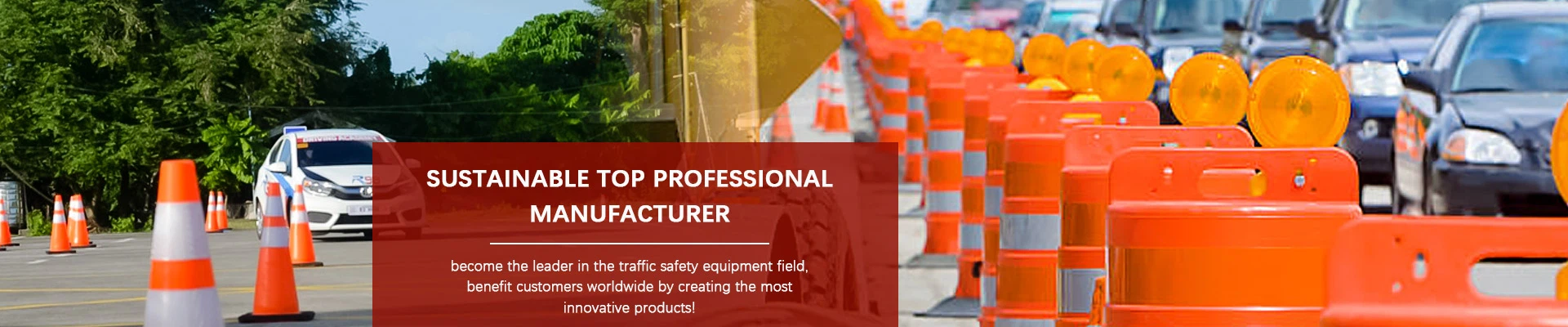
Advantages of using traffic cones
Due to the light weight and temporary nature of traffic cones, they move easily and are frequently hit by road users. Here are some tips to help place traffic cones:
Appropriate spacing for consecutive applications. Traffic cone spacing can play an important role in the driver experience. If you do not want road users to pass through traffic cones, close them together. If you want to direct traffic but still allow traffic to flow through the cone wall, leave a large space that can accommodate large vehicles.
Choose the correct traffic cone. As mentioned above, the two most common traffic cone sizes are 18 inches and 28 inches. If you control traffic in a high-speed location, be sure to use larger traffic cones for increased visibility and durability. Smaller cones are great for parking lots and residential areas.
enough buffer. When using traffic cones to warn drivers of stalled vehicles, consider the buffer zones on either side of the cone—the distance between the cone and a parked vehicle and the distance between the cone and a moving vehicle. That distance should give drivers enough time to get around the hazard without having to change driving at the last minute.
Check out traffic cones at roadblocks and signs to prepare for your next project, or keep in your vehicle in an emergency.