

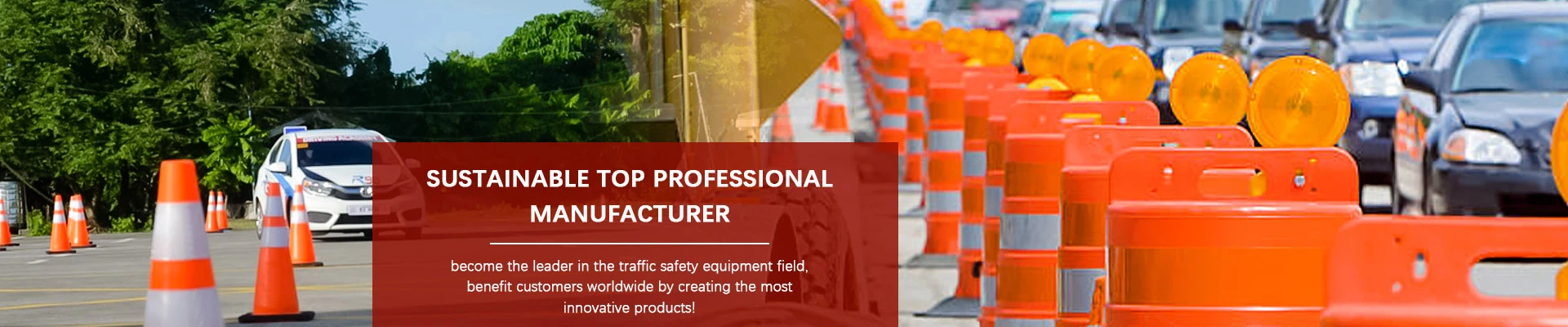
Traffic cones are essential tools for controlling traffic and guiding motorists on the road. However, they're not just useful - they're also interesting! Here are seven fun facts about traffic cones that you may not have known:
1. They were first used in the 1940s:
Traffic cones were invented in the 1940s by Charles P. Rudabaker, a painter from New York City. He saw a need for cones that could be easily moved, transported, and stacked, so he created the first sets of traffic cones for use on construction sites.
2. They come in different sizes and colors:
Traffic cones come in various sizes and colors to indicate different things. For example, orange cones are used to mark construction zones, yellow cones are used to indicate caution, and green cones may be used to show where a temporary detour is.
3. They're made of different materials:
Traffic cones are typically made of plastic, rubber, or vinyl. The material used depends on the intended purpose and the specific environment where the cones will be used.
4. They have multiple uses:
Traffic cones aren't just used for traffic control; they're also used in sports, events, and other settings. For example, cones are used to mark the boundaries of a soccer field or a running track.
5. They can withstand extreme weather conditions:
Traffic cones are designed to withstand a wide range of weather conditions, from hot summers to freezing winters. This makes them a reliable tool for traffic control and road maintenance all year round.
6. They have reflective stripes:
Many traffic cones have reflective stripes, which make them more visible at night or in low-light conditions. This helps to improve safety and prevent accidents on the road.
7. They have a long lifespan:
Traffic cones can last for several years if they're properly cared for and maintained. This means that they're an economical and cost-effective way to manage traffic and keep motorists safe on the road.
In summary, traffic cones are fascinating tools that serve a vital purpose in our society. Whether they're used on construction sites, sports fields, or busy highways, traffic cones help keep us safe and organized on the road.