
Green Book is not a film about parking-but it is a film about respect, about sharing space, and about the tacit rules that grease the wheels of daily life. Taking place amid long drives and strange towns, the film whispers the reminder that our conduct in public spaces matters. Parking is one of those places. When it is well executed, you don't know it is there. When it is ineptly executed, it leads to irritation, injury, and monetary loss.
This guide translates parking safety and etiquette into kinetic exhibits – combining real-world facts, practical habits, and a human point of view, much like the movie's themes of mindfulness and consideration.
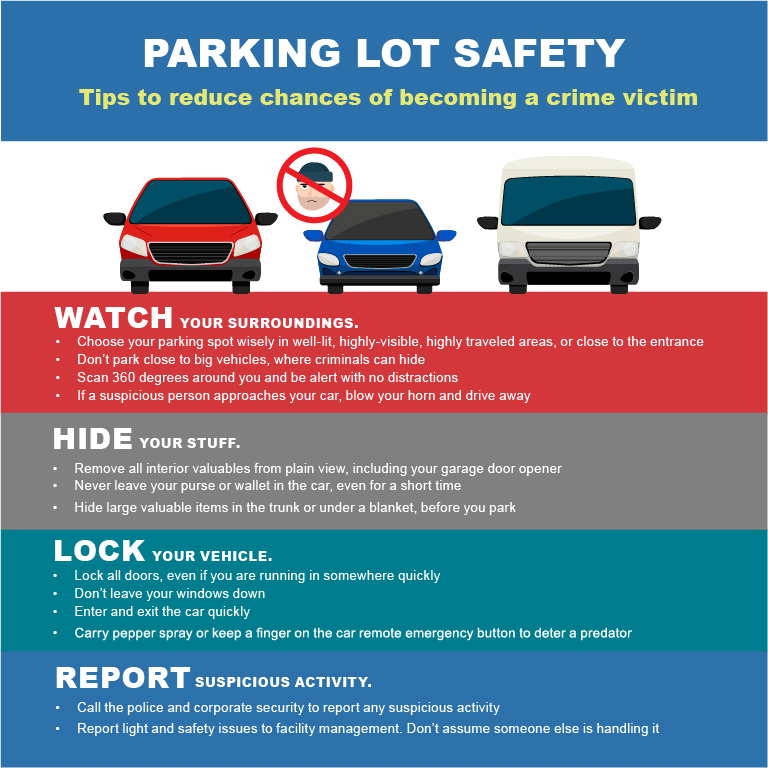
Parking lots and curbside spaces seem low risk because people drive slowly in them - but the data tell another story. In the U.S., parking structures and lots are the site of a few hundred deaths and tens of thousands of injuries a year, a significant portion of them involving people on foot. Data from insurers also reveal parking collisions at low speed to be one of the most frequent claims, due to blind spots, distracted drivers, and misleading road markings.
So the takeaway is clear: parking spaces are not merely a skill test area, but a shared-responsibility space where the smallest decisions can have big consequences.

The Hidden Dangers of "Slow-Speed" Areas
Drivers tend to relax once they leave the main road, but parking environments compress risks. Pedestrians appear between vehicles, drivers reverse simultaneously, and sightlines are blocked by SUVs and vans. Studies of parking-lot incidents consistently show that backing collisions and pedestrian strikes peak during busy shopping hours-exactly when attention is most divided.
In Green Book, long drives demand constant recalibration-new rules, new places, new people. Parking lots demand the same mindset: assume the environment is unfamiliar, even if it's your local store.
Core Parking Safety Rules (That Actually Work)
1. Slow Down More Than You Think
Most parking lots post speeds around 5–10 mph, yet many incidents happen below that. The difference is reaction time. Cutting your speed in half can be the difference between a scare and a serious injury.
2. Backing Is the Highest-Risk Moment
Data shows a disproportionate number of parking crashes happen while reversing. Back in when you can; it gives you better visibility when you leave. If you must back out, pause, scan mirrors and cameras, then inch out slowly.
3. Pedestrians Always Win
Children, seniors, and people pushing carts move unpredictably. In mixed-use areas, yield even if you technically have the right of way. Most pedestrian parking-lot injuries occur within a few car lengths of entrances.
4. Lines Are Not Suggestions
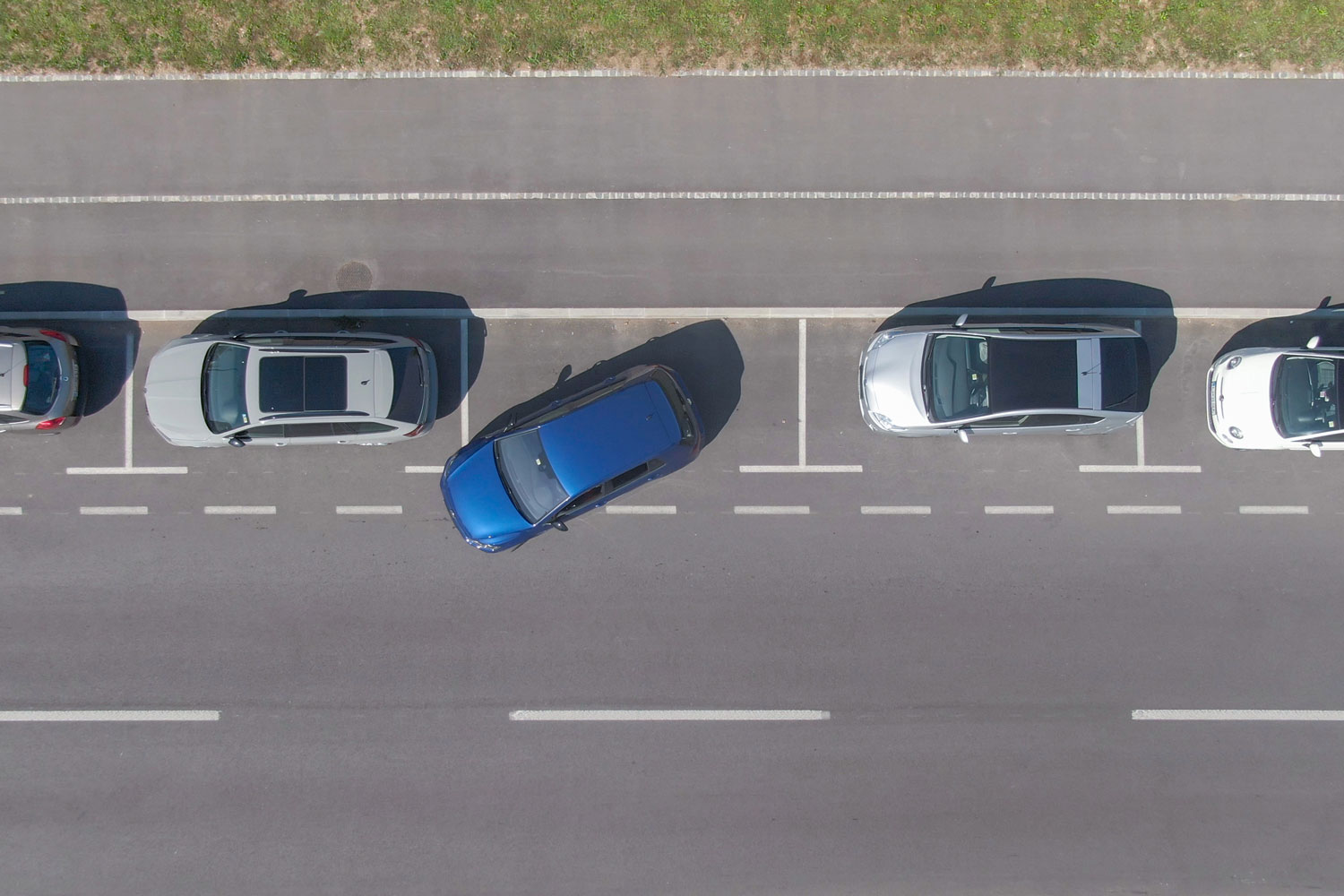
Poorly parked vehicles reduce visibility and increase door dings and scrapes. Keeping within lines isn't etiquette-it's safety engineering working as intended.
Parking Etiquette: Small Habits, Big Impact
Parking etiquette rarely appears in driver manuals, but it shapes everyone's experience.
Leave space when possible. Crowding another car increases the chance of door damage and makes it harder for others to exit safely.
Don't "save" spots. Using people or objects to block spaces creates confusion and conflict.
Respect designated spaces. Accessible parking abuse isn't just inconsiderate-it limits mobility for those who genuinely need it.
Signal and wait. If someone is backing out, let them finish. Rushing adds seconds to your trip but risk to theirs.
In Green Book, the tension often comes from people assuming their rules are universal. Parking etiquette works best when we assume others may need more time or space than we do.
Street parking adds moving traffic to the mix. Dooring incidents-when a car door opens into a cyclist or passing vehicle-are a leading cause of urban injuries. Best practice is the "far-hand" door method: opening the door with the hand farthest from it forces you to turn and look.
Always check mirrors before opening doors, and never double-park "just for a minute." Brief stops create sudden obstacles that drivers and cyclists don't expect.
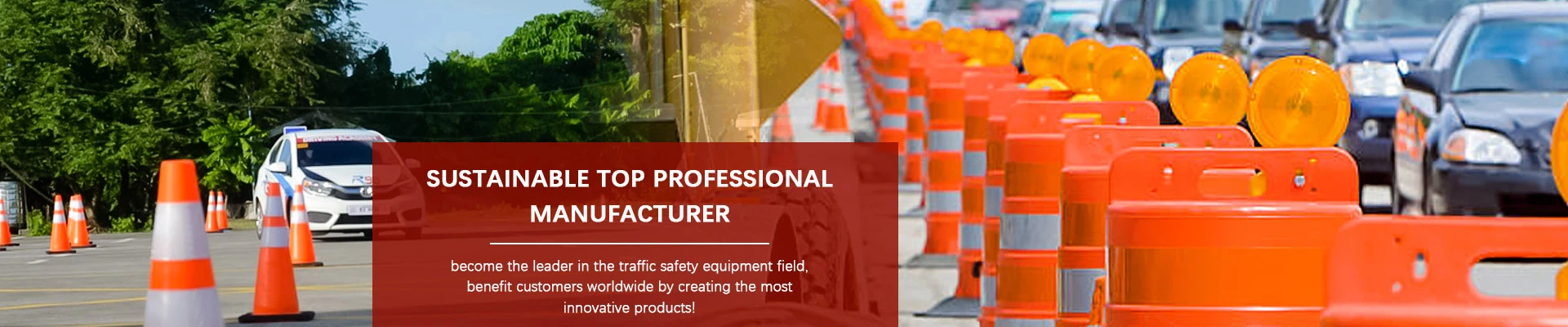
Busy parking areas during events, construction, or peak hours benefit from clear temporary guidance. Simple measures-high-visibility cones, temporary barriers, or lightweight warning chains-help direct foot traffic and prevent vehicles from drifting into pedestrian paths. These tools don't replace permanent design, but they reduce confusion when layouts change.
Backup cameras, sensors, and automatic braking reduce risk, but they're not foolproof. Studies show drivers can become less attentive when relying on tech alone. Treat technology as a second set of eyes, not a substitute for turning your head.
Park Like You Share the Road-Because You Do
Green Book reminds us that travel isn't just about the destination; it's about how we move through shared spaces with empathy. Parking is one of the most common shared spaces we encounter every day. When we slow down, follow markings, respect designated areas, and stay alert, we reduce injuries, lower costs, and make cities easier to live in.
Next time you pull into a lot or curbside spot, think of it less as a maneuver and more as a moment of cooperation. A few extra seconds of care can prevent years of regret-and that's a trade worth making.